The Stoics
A shipwrecked merchant, a boxer, an emperor, a slave. The people who built Stoicism led lives as instructive as their books — meet each of them, and follow the ones whose works survive into the Library.
The Early Stoa
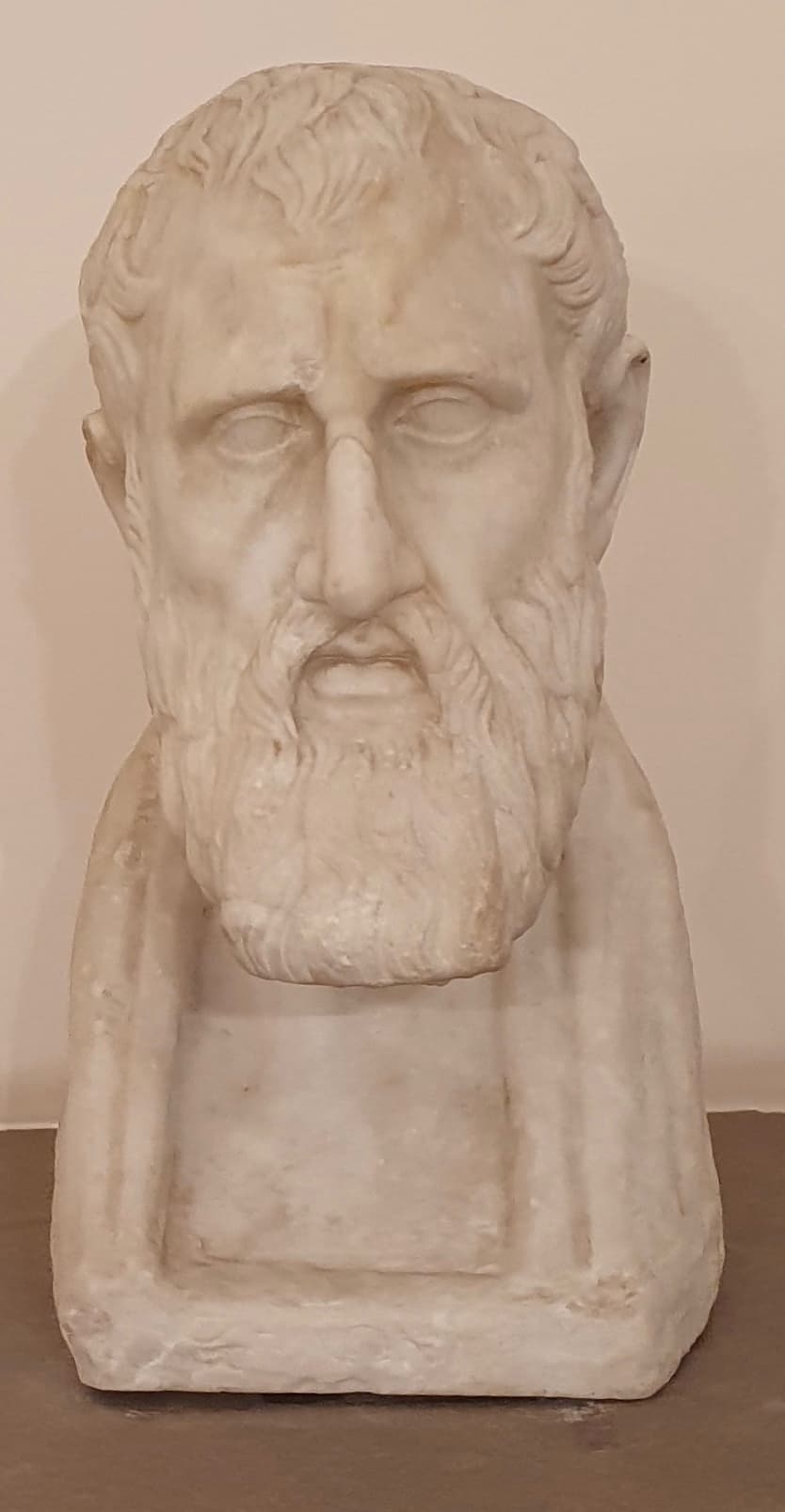
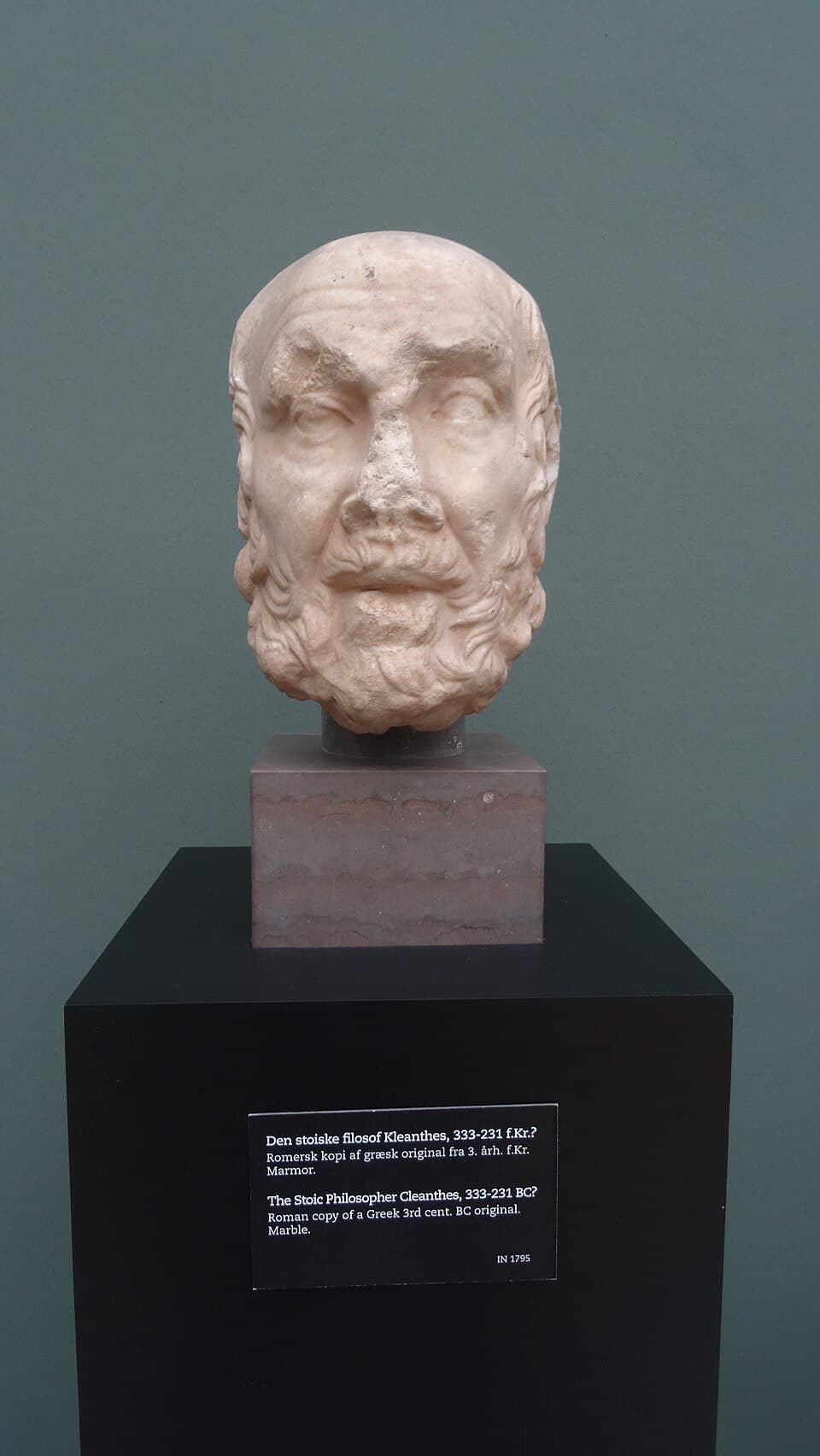
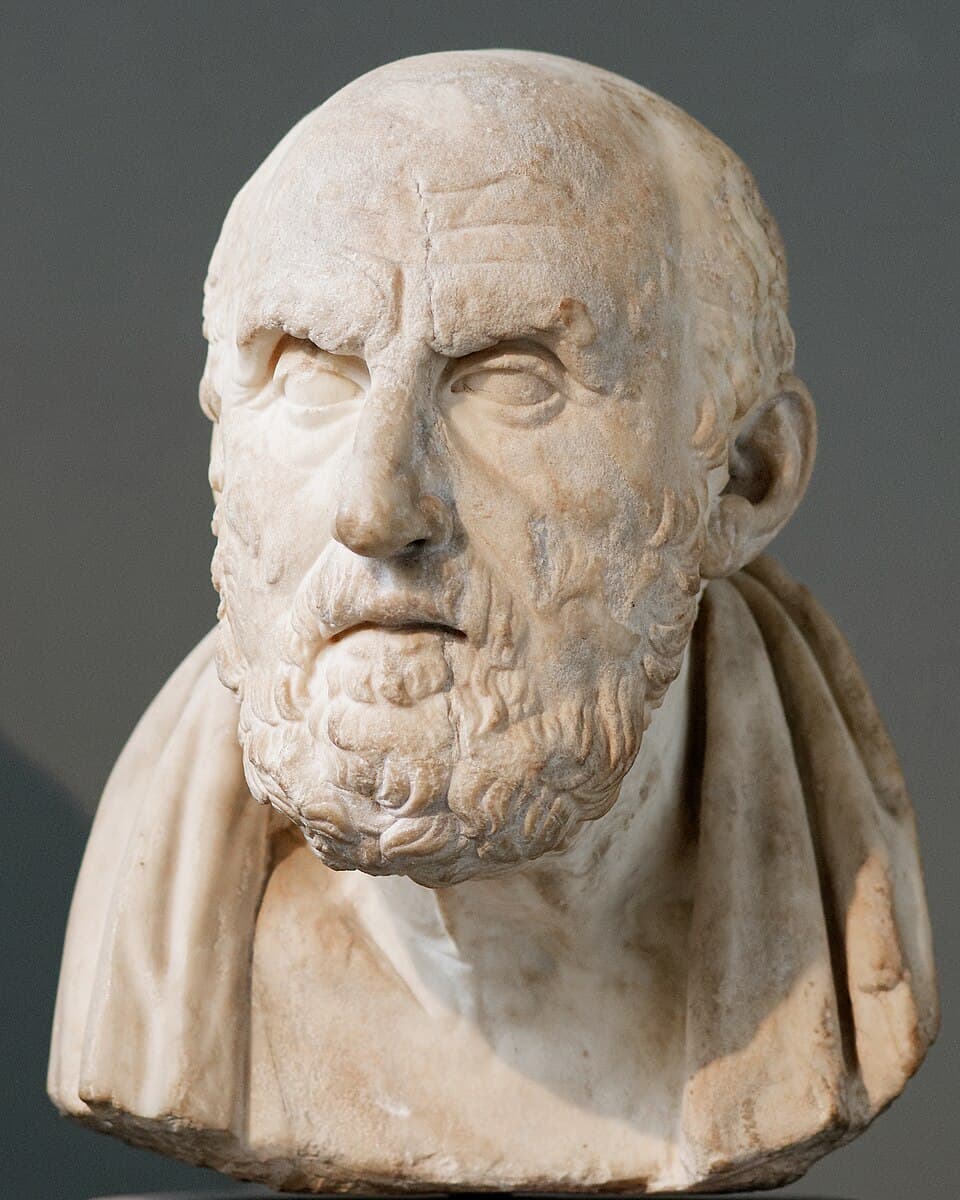
c. 300–150 BCStoicism began on a painted porch — the Stoa Poikile — in the Athenian marketplace. The first three heads of the school built the whole system: its logic, its physics, its ethics. Their books are lost; their ideas survived everything.
Contemporary history
Zeno arrived in Athens a generation after Alexander the Great died. The world the conqueror left behind was carved up by his generals into rival kingdoms — Macedon, Egypt, Syria — that fought one another for a century. Athens itself was no longer free: garrisons came and went, democracy was suspended and restored at a king's pleasure, and a citizen's fate could turn on a battle fought a thousand miles away.
It was an anxious, cosmopolitan age, and it produced philosophies to match. Epicurus opened his Garden in Athens within a few years of Zeno's Stoa; both schools promised what politics no longer could — a good life that doesn't depend on fortune. Meanwhile the new Library of Alexandria was gathering up Greek learning, and far to the west a rising Italian city, Rome, was fighting Carthage for control of the Mediterranean.
The Middle Stoa
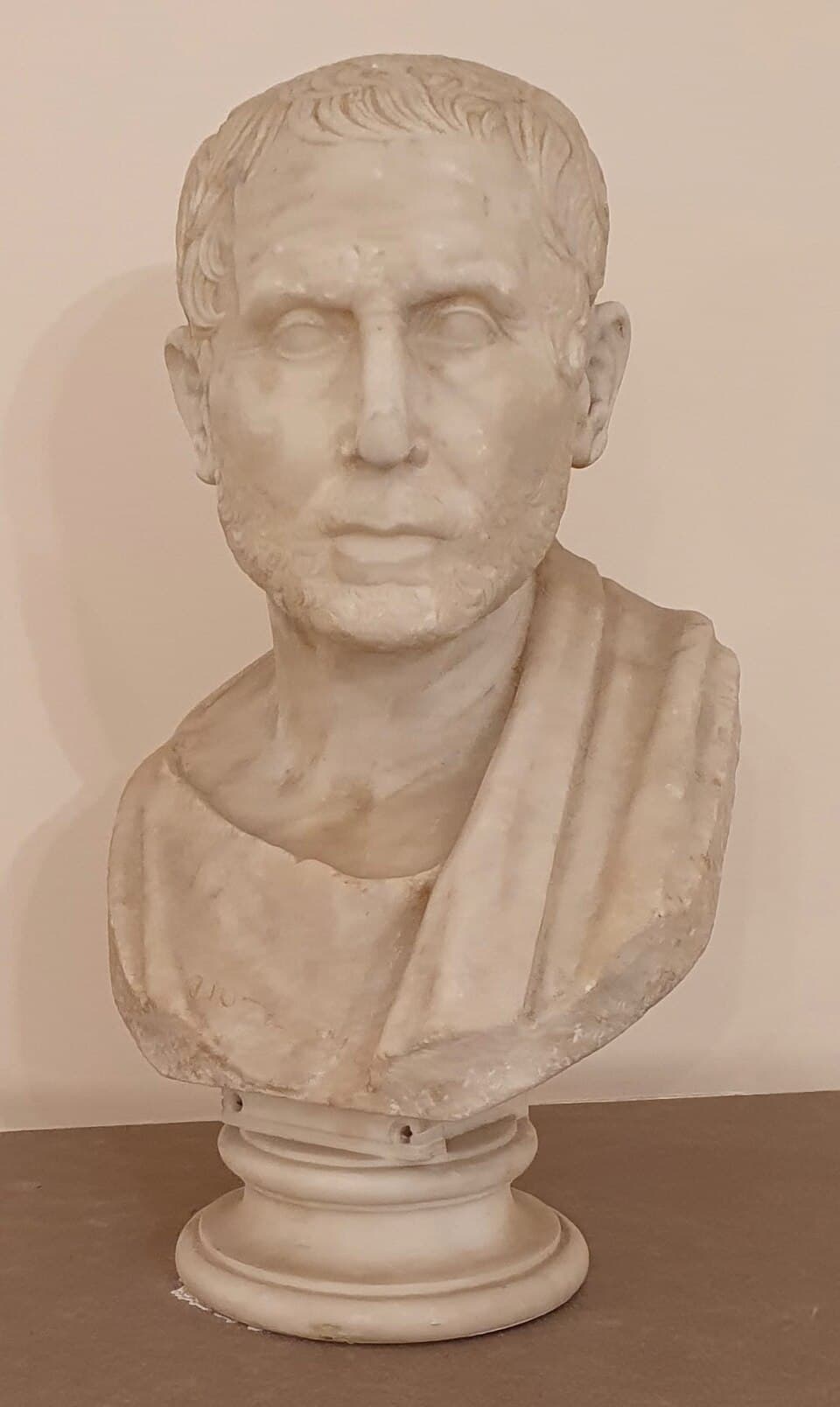
c. 150–50 BCThe school crossed the sea. Two Greeks from the eastern Aegean carried Stoicism into the Roman world and reshaped it for people with careers, families, and public duties — philosophy for the imperfect, not just the ideal sage.
Contemporary history
In 146 BC Rome destroyed Carthage and Corinth in the same year, and the Greek world became Roman provinces almost overnight. Greek learning followed the power: when Athens sent three philosophers to Rome as ambassadors in 155 BC, their lectures caused a sensation — and made philosophy fashionable among the Roman elite.
Panaetius joined the circle of Scipio Aemilianus, the general who burned Carthage; Posidonius taught on Rhodes, where Cicero and Pompey sailed to hear him. Rome itself, though, was coming apart even as it conquered — land crises, the murdered Gracchi brothers, the first civil wars between Marius and Sulla. Stoicism was being remade for people navigating exactly that world: ambition, duty, and politics that could kill you.
The Roman Stoa
c. 50 BC – AD 180A senator, a statesman, an exiled teacher, a former slave, an emperor. Every complete Stoic work that survives was written in this period — this is the Stoicism you can read in the Library.
Contemporary history
This is the age when the Roman Republic died and the Empire took its place. Caesar crossed the Rubicon in 49 BC; Cato chose death at Utica rather than accept his pardon, becoming the Stoic martyr of the lost Republic; Augustus emerged from the wreckage as the first emperor.
The Pax Romana that followed made the Mediterranean one world — roads, trade, a common law over some sixty million people — but under autocracy, philosophy became dangerous. Nero forced Seneca, his own tutor, to suicide. Domitian banished the philosophers from Rome, which is how Epictetus came to teach in a small Greek town. And Marcus Aurelius wrote the Meditations not in a study but in an army camp on the Danube frontier, while the Antonine plague — carried home by his own legions — swept through the empire.
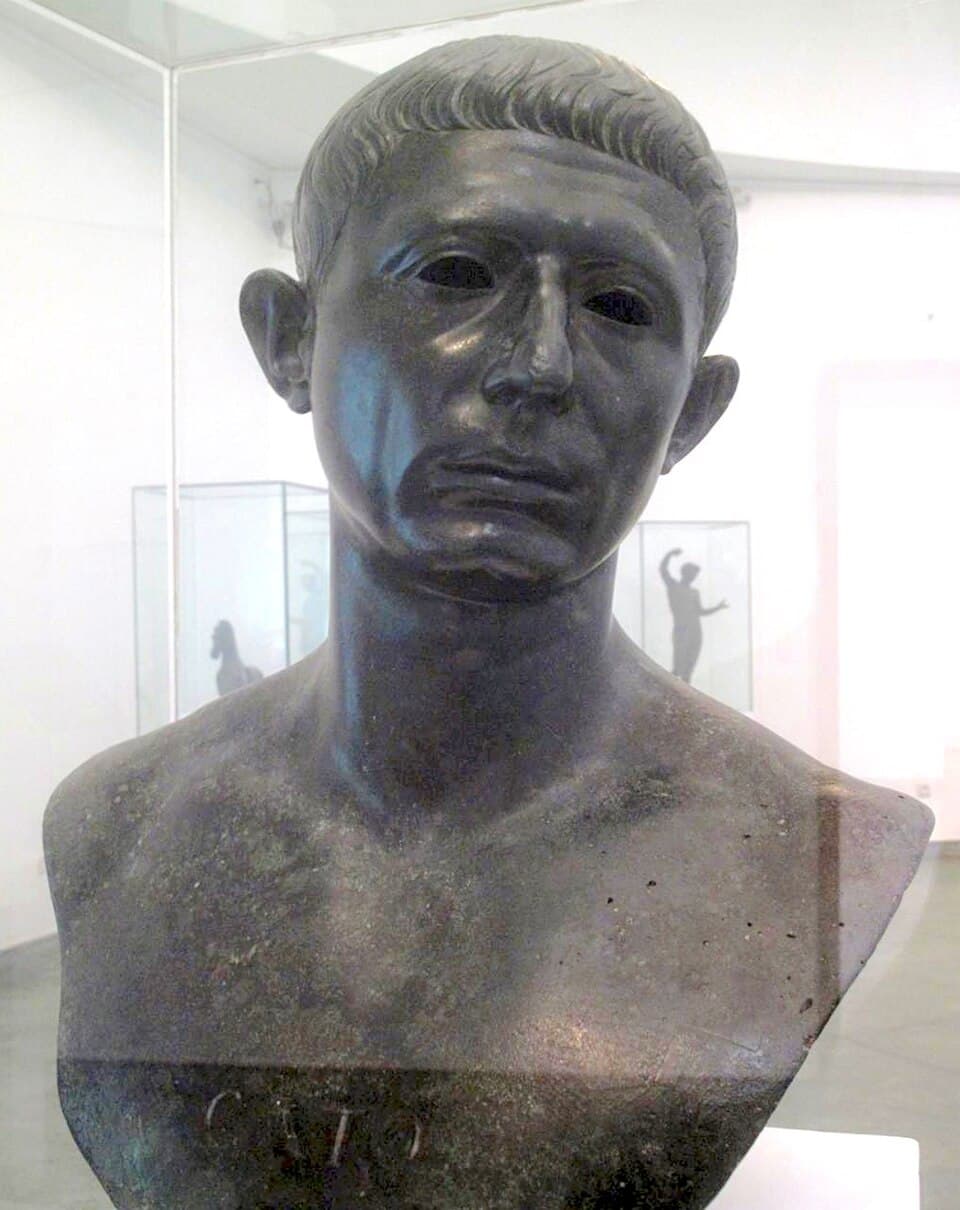
Cato the Younger
95–46 BC
Rome's unbending conscience
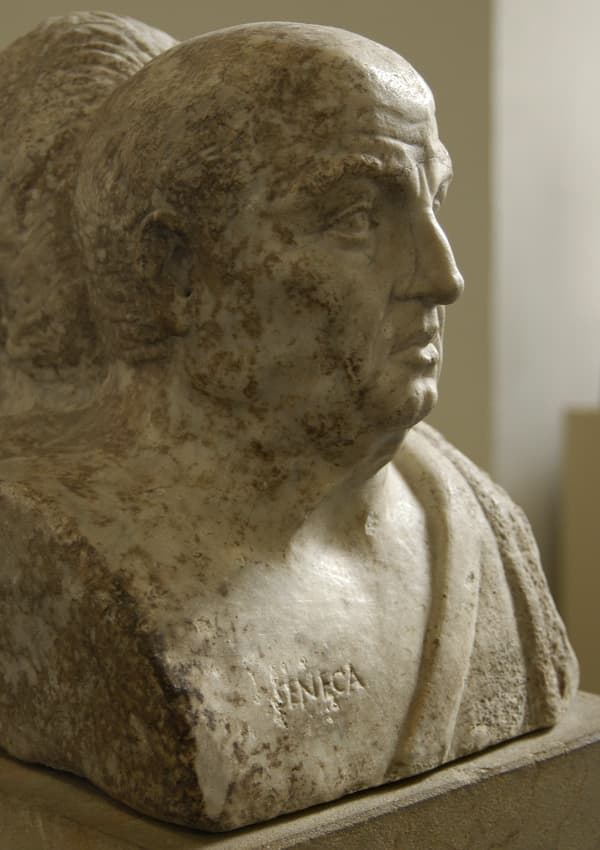
Seneca
c. 4 BC – AD 65
Statesman, playwright, and the master of the philosophical letter
- M
Musonius Rufus
c. AD 30–101
The Roman Socrates — exiled twice, never silenced
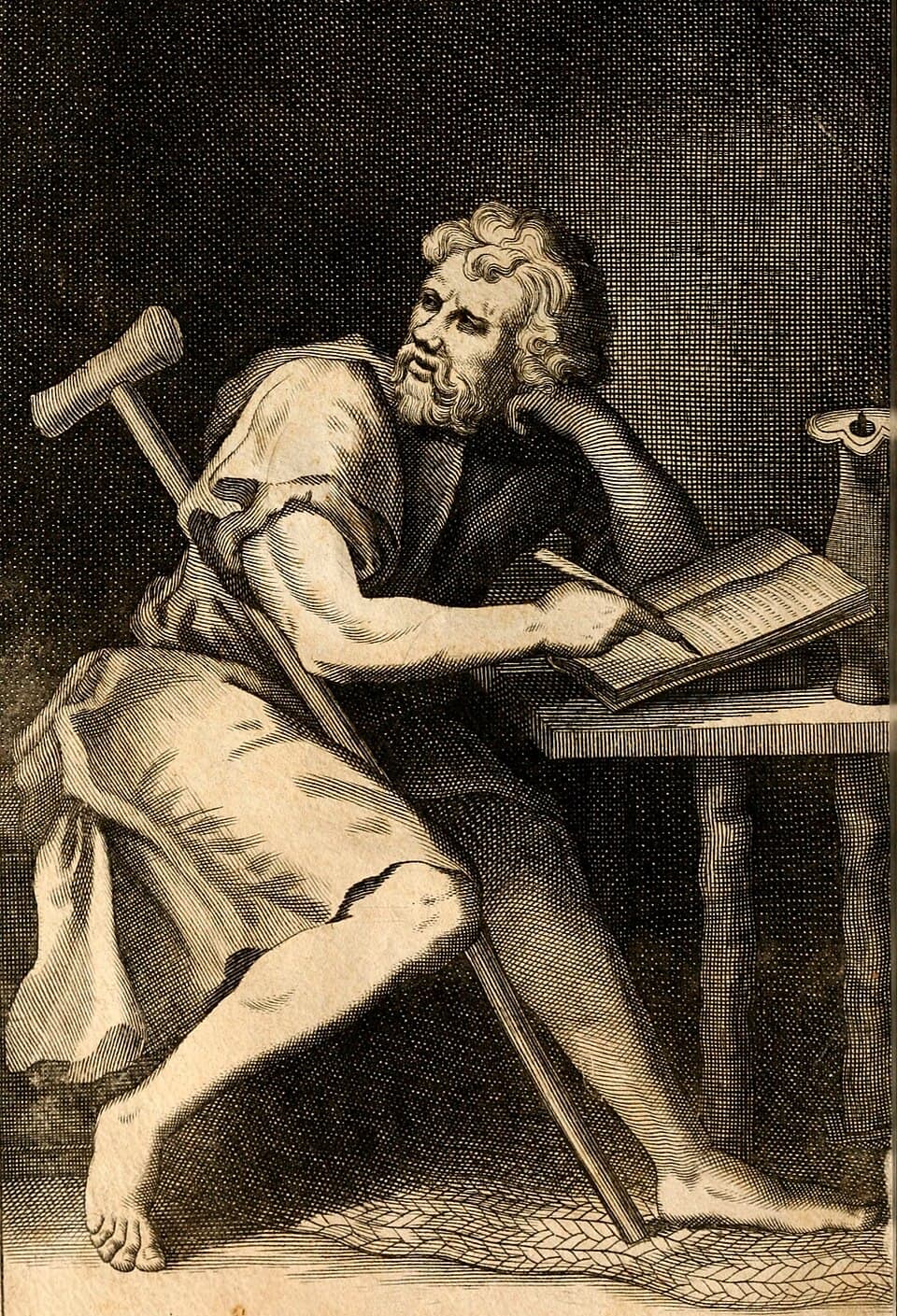
Epictetus
c. AD 50–135
Born a slave, he taught Rome what freedom is
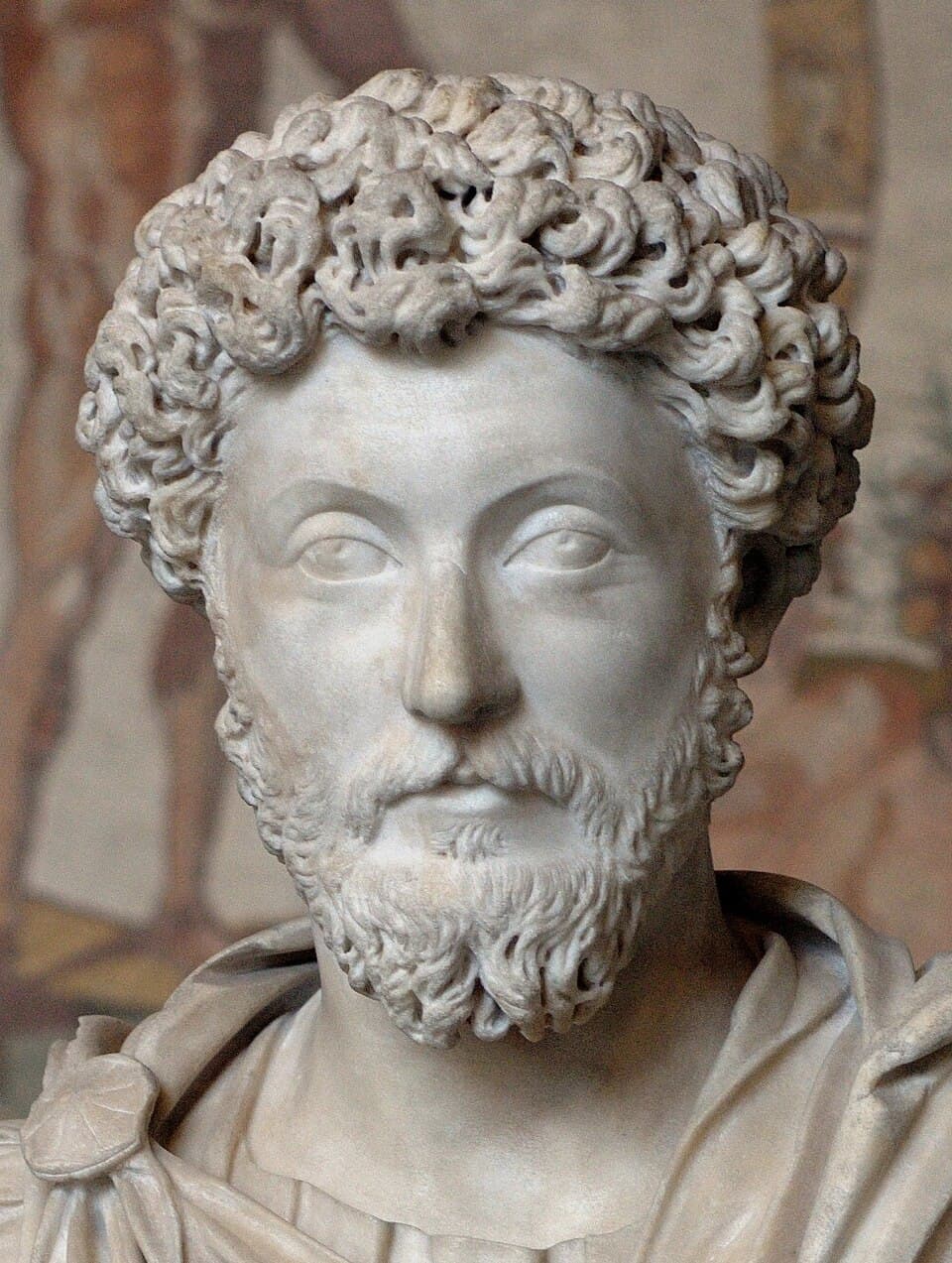
Marcus Aurelius
AD 121–180
The emperor who wrote only to himself